
A lot of people ask me some version of the same question: "Will leaving my solar lights on every night kill the battery?"
It's a fair concern. But once you understand how these systems actually work, the anxiety disappears pretty quickly.
The real question isn't whether it's okay to leave them on all night. It's whether your light is actually capable of staying on all night.
The Short Answer: Is It Okay to Leave Solar Lights On All Night?
Yes — it's perfectly safe and completely normal.
Solar lights are autonomous systems. They charge during the day and run at night without you touching anything.
Beyond convenience, keeping them on all night has real benefits. Continuous lighting deters intruders, illuminates dark corners, and lights up pathways so family and guests don't take a tumble in the dark.
How Solar Lights Protect Themselves: The Science of the BMS

Here's something most people don't know, and it's the key to understanding why all-night use doesn't damage your battery.
Quality solar lights include a Battery Management System — often called a BMS or charge controller. This small chip monitors the battery's voltage in real time.
When the voltage drops to a safe lower threshold, the BMS cuts power to the LED before the battery hits zero. That's the critical part: the light doesn't run until the battery is dead. It shuts off at a protected floor to preserve the battery chemistry.
This process — called preventing deep discharge — is what keeps your battery healthy through years of nightly cycles. Want to understand how this protection system impacts long-term durability? I cover it in detail in my post on how to maximize how long your solar lights last overall.
5 Critical Considerations for Reliable All-Night Lighting

Knowing it's safe to leave them on is one thing. Knowing how to make them actually stay on until morning is another.
1. Performance Varies by Grade
Cheap decorative lights are often rated for 8 hours but fade out by hour four or five in practice. Professional-grade systems are built specifically for true dusk-to-dawn coverage.
If you've ever wondered why your neighbor's lights are still glowing at 5 AM while yours quit at midnight, this is usually why. Check out my breakdown of how many hours standard solar lights actually work for the full picture.
2. Battery Capacity Matters More as It Ages
Solar batteries naturally degrade over 3–7 years. A light that runs all night in year one might quit by 2 AM in year five.
Starting with a higher mAh capacity gives you a built-in buffer. As the battery ages, there's still enough headroom to cover a full night.
3. Placement Is Everything
Your panel needs 6–8 hours of direct, unobstructed sunlight to reach a full charge. Even partial shading from a tree branch or roofline can cut that by 40% or more.
Before assuming your battery is the problem, check your placement first. My guide on how much direct sunlight your panels actually need walks through the specifics.
4. Keep the Panel Clean
Dust, pollen, and bird droppings can reduce charging efficiency by 20–30%. A quick wipe-down once a month is all it takes.
It's the simplest maintenance task there is — and one of the most skipped.
5. Winter Shortens the Window
Shorter days and lower sun angles in winter mean less energy captured per day. A light that easily runs 12 hours in July might struggle to make it to midnight in December.
This isn't a defect — it's physics. The fix is choosing a system engineered with enough capacity to handle it.
Longevity Tip: When Should You Actually Turn Them Off?
Leaving solar lights on every night is fine. But there are two situations where switching them off is the smarter move.
Extended non-use: If you're away for weeks or months, turn them off. Unnecessary nightly cycles don't help the battery, and there's no one benefiting from the light anyway.
Severe winter weather: During prolonged blizzards or extreme cold snaps, bringing lightweight fixtures indoors protects the battery from thermal stress and prevents heavy snow from physically damaging the housing.
For most nights though? Leave them on. That's what they're built for.
The Upgrade: How to Guarantee Dusk-to-Dawn Security

The most common complaint I hear about solar security lights is the midnight fade — the light works fine at 9 PM but your driveway is dark by 2 AM.
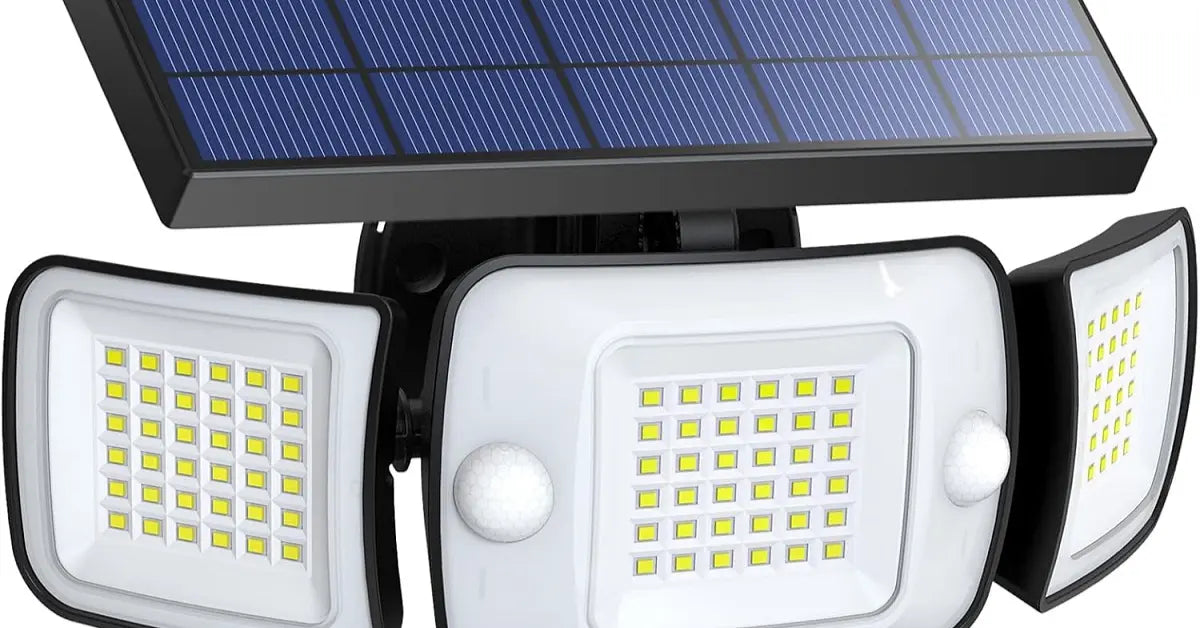
That's exactly the problem the Intelamp 3000LM solar street light was engineered to solve.
The 12,500mAh battery gives it roughly triple the capacity of a standard consumer light. Even on a cloudy day when the panel undercharges, there's enough in reserve to push through to dawn.
The dual 180° PIR motion sensors and remote control let you run the light at 60% or 80% brightness when no one's around — and blast the full 3000LM only when motion is detected. That smart dimming stretches the battery significantly across a long winter night.
The heat-resistant ABS housing does something less obvious but just as important: it reflects heat away from the battery during hot summer days. Heat is one of the fastest ways to permanently reduce a battery's capacity. By keeping temperatures down, the light holds its all-night charge for years instead of degrading after one or two summers.
Explore Professional All-Night Solar Solutions
If you're done guessing whether your lights will make it to morning, it's time to upgrade to something engineered for the job.
Browse our professional solar outdoor lights — built for both residential security and commercial-grade reliability.
FAQs
Do solar lights lose their charge if I leave them on every night?
No. Each morning, the photocell sensor detects sunlight and automatically switches the unit into charging mode. The previous night's use doesn't carry over as a penalty.
Why does my solar light only last a few hours?
Usually it's one of three things: the panel is partially shaded and undercharging, the panel surface is dirty, or the battery has reached the end of its natural lifespan. Start with placement and cleaning before assuming you need a replacement.
Is it okay to leave solar lights out in the rain?
Yes — as long as the fixture carries a solid IP rating. IP65 or higher means the housing is sealed against water jets from any direction, which covers rain, sprinklers, and melting snow without any issues.