Let me guess — your solar pathway lights are barely glowing anymore, and you're wondering if it's time to toss them and start over. I've been there, standing in my driveway at dusk squinting at what used to be a bright, welcoming glow. Before you throw anything away, let's talk.
The good news? In most cases, a simple battery swap will bring your lights back to life — for a fraction of what new fixtures cost.
The Short Answer: Is It Worth Replacing Batteries in Solar Lights?
Yes. It is almost always worth replacing batteries in solar lights. It's a cost-effective, eco-friendly way to revive dim or dead lights for a fraction of the cost of new fixtures.
Here's the thing most people don't realize: solar light batteries typically need replacing every 2–4 years, but the LED bulbs themselves can last up to 10 years. That means the fixture you paid good money for still has years of life left — it just needs fresh rechargeable batteries to get back on track.
Why a Simple Battery Swap Makes Financial and Ecological Sense

Replacement batteries for solar lights usually cost between $5 and $15 for a pack. Compare that to replacing an entire set of decorative fixtures, and you're often looking at saving 70–90% of the cost.
Beyond your wallet, there's also the planet to think about. Tossing an entire light — aluminum housing, circuit board, LED, and all — just because its NiMH battery has degraded is genuinely wasteful. Replacing only the failed component keeps everything else out of the landfill.
And honestly? A fresh battery isn't just a fix — it's a reset. Paired with a quick panel clean, you might be surprised how bright your lights get. Speaking of which, I've put together some tricks to make your solar lights brighter if you want to squeeze every lumen out of your setup.
Before You Buy Batteries: The 30-Second Diagnostic Test
Hold on — don't order batteries just yet. There's one critical check I always do first, and it takes less than a minute.
The "Haze Test"
Walk outside and look closely at your solar panel. Is it crystal clear, or does it look milky, yellowed, or foggy?
That cloudiness is UV oxidation, and it's a serious problem. A heavily hazed panel can't efficiently convert sunlight into electricity, which means even a brand-new battery won't get a proper charge. If the haze wipes off with a damp cloth or responds to a plastic restorer or nail polish remover, you're in luck — clean it up and proceed. But if the panel is deeply white and pitted beyond saving, a new battery won't fix the root problem.
Other Things to Check
While you're out there, look for cracked or brittle plastic housing, water damage inside the battery compartment, or corroded terminals. These are signs of deeper structural failure. I cover other reasons why solar lights fail so quickly in a separate post if you want the full picture.
How to Choose the Right Replacement Battery

Not all batteries are created equal, and getting this wrong can actually damage your lights.
Match the specs exactly. Check your existing battery for its voltage (usually 1.2V for NiMH or 3.7V for Li-ion) and its chemistry type. Installing the wrong voltage or type can fry the charge controller.
Don't get fooled by high mAh numbers. A 2000mAh battery sounds great, but if your solar panel only generates enough current to charge a 600mAh cell, that larger battery will never reach full capacity. It's like filling a swimming pool with a garden hose.
And please — whatever you do — never use regular alkaline AA batteries as a quick fix. I wrote a whole post on why you should never use regular alkaline batteries in solar lights. The short version: the solar panel will try to charge them, and alkaline batteries aren't designed for that. Leakage, corrosion, and permanent circuit damage are the likely results.
When Is It NOT Worth It? Knowing When to Upgrade

I'll be straight with you here: sometimes a battery swap is just throwing good money after bad.
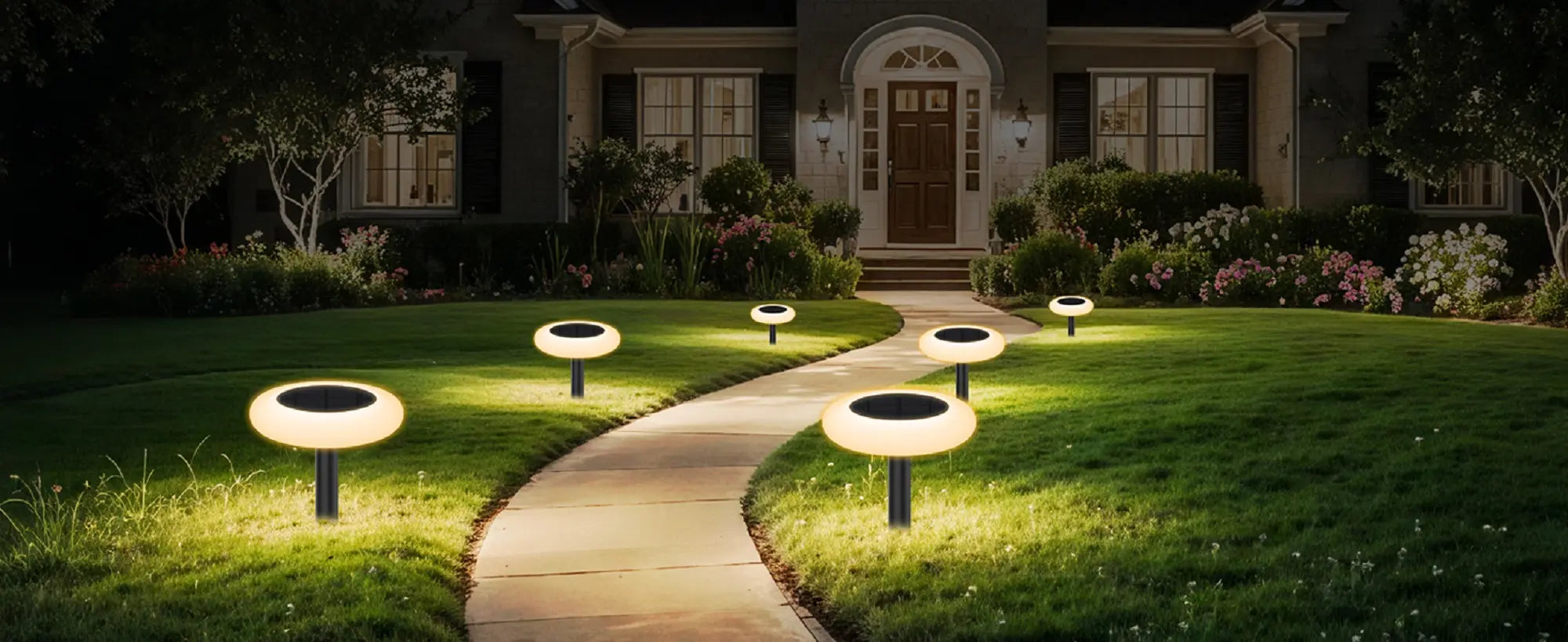
If you need actual security lighting, a cheap $8 pathway stake was never up to the job — and replacing its tiny 800mAh battery won't change that. Those lights are designed for ambiance, not deterrence. When I'm talking about illuminating a driveway, garage, or entry point where I genuinely need to see what's going on, I need something with real output.
If the housing is cracked or brittle, water will keep getting in and destroying batteries faster than you can replace them. Same goes for a solar panel that fails the Haze Test with no hope of restoration.
If the light is just outdated, older solar technology had poor panel efficiency and dim LEDs by today's standards. Keeping an old inefficient fixture running is sometimes the more expensive long-term choice.
The Ultimate Upgrade: When It's Time to Invest in Real Performance

When my old security lights finally gave up for good, I didn't just replace like-for-like. I upgraded to the Intelamp 1500LM Split Solar Security Light, and it genuinely changed how I think about outdoor lighting.
Here's what makes it different from anything I'd used before:
The 6000mAh battery is massive — roughly 6–8x the capacity of a typical solar stake light. Because it's so large relative to daily usage, it rarely undergoes a deep discharge cycle. Shallow cycling is the single biggest factor in battery longevity, so this thing is built to last years longer before you'd ever need to think about a replacement.
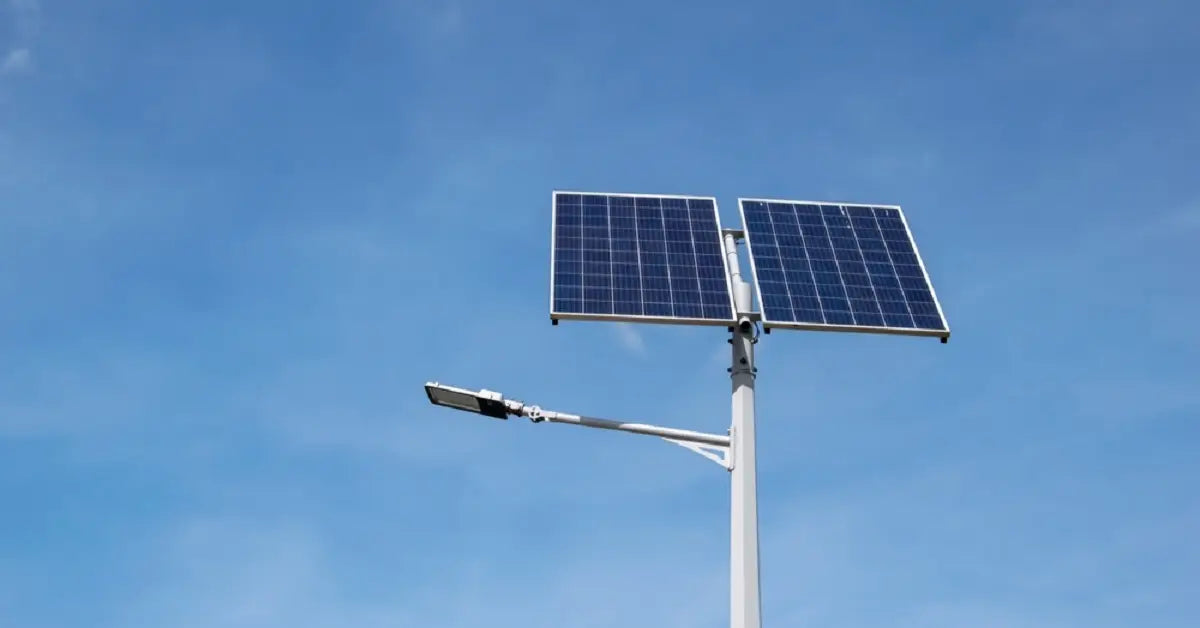
Then there's the 9.8ft split cable design. The solar panel mounts in full sun while the battery and light unit sit in a shaded spot. This is smarter than it sounds — heat is the enemy of lithium batteries. Keeping the battery cool while the panel bakes in the sun is a genuinely clever engineering choice that extends lifespan significantly.
And the output? 1500 lumens with dual motion sensors. That's not a pathway glow — that's a proper security floodlight that actually lights up a driveway.
Shop Long-Lasting Outdoor Lighting
If you're ready to stop cycling through cheap replacements and want lighting that's actually built to last, browse our premium solar outdoor lights and find the right fit for your home.
FAQs
Can you replace batteries on solar lights?
Yes, absolutely. Most solar lights have an accessible battery compartment — usually secured with one or two small screws. Pop it open, match the battery specs, swap it out. Takes about five minutes.
How long do batteries last in solar lights?
Typically 2 to 4 years under normal use. NiMH batteries tend to sit on the shorter end of that range, while LiFePO4 (lithium iron phosphate) batteries can last considerably longer thanks to their superior cycle stability.
Should I remove batteries from solar lights in winter?
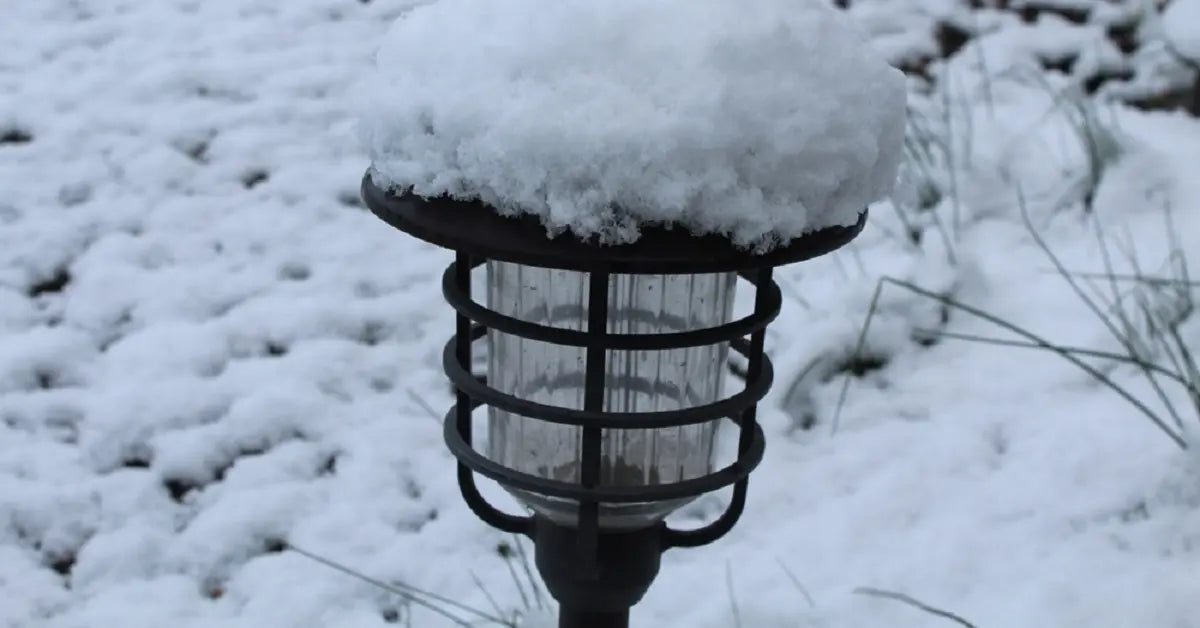
If you're in a region with extended freezing temperatures and heavy snow cover, it's worth switching the lights off or removing the batteries and storing them indoors. Extreme cold degrades battery chemistry — especially for NiMH — and months of near-zero charge in a frozen state can permanently reduce capacity.
Can I put regular AA batteries in my solar lights?
No — don't do it. Standard alkaline AA batteries are not rechargeable. When the solar panel tries to charge them (which it will), you risk leakage, circuit damage, or worse. Always use the rechargeable type specified for your light: typically NiMH, Li-ion, or LiFePO4.