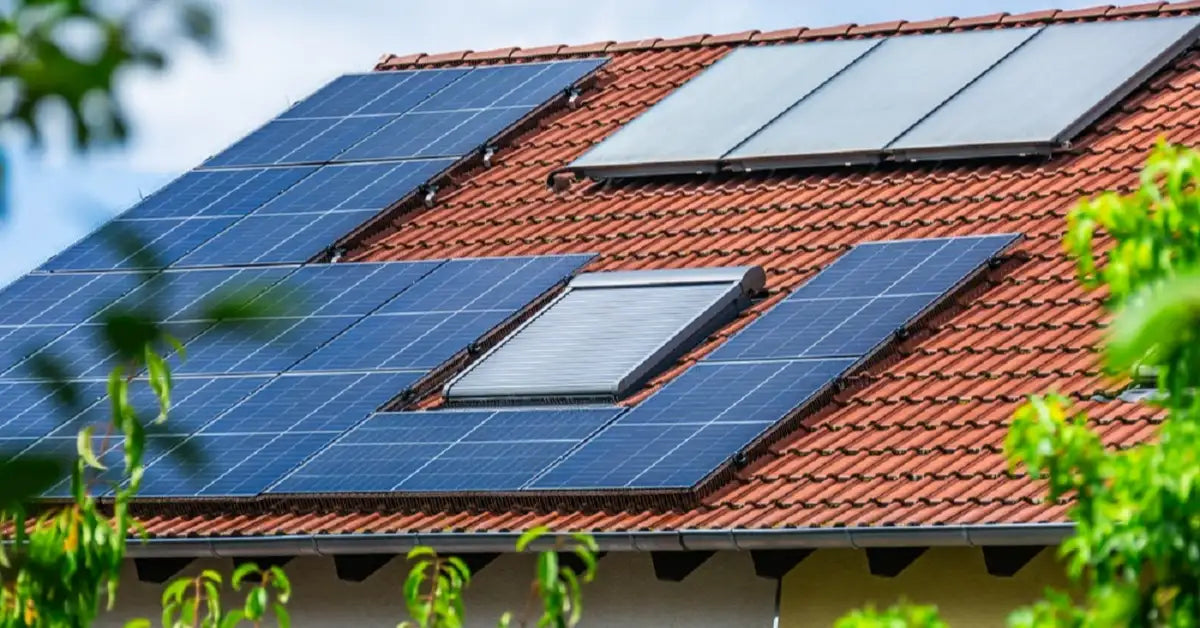
I've noticed the same thing you probably have: solar panels coming off roofs that had them installed just a few years ago. It looks like a reversal of the whole solar movement.
But once I looked into it, the story turned out to be a lot less about the technology and a lot more about paperwork, roofs, and companies that didn't survive.
The Bottom Line
Most panel removals aren't a rejection of solar technology. They're driven by roof repairs, messy lease agreements, installer bankruptcies, or homeowners upgrading to newer, more efficient panels. The hardware itself is usually fine and often still working after 20-plus years.
It's Rarely About the Panels Themselves

Zeno Insights looked into this exact question and found something worth repeating: most removals have nothing to do with the panels underperforming. The technology is designed to last 25 to 30 years with only about 0.5% output loss per year.
What actually pushes people to remove panels is almost always something external. A leaky roof. A confusing lease. A company that no longer exists. Let's go through each one.
Reason 1: The Roof Underneath Needs Work
Panels often get installed on a roof that doesn't have as much life left as the panels themselves. When that roof needs a full tear-off or structural repair, the panels have to come down first.
Removing and reinstalling a system typically costs $2,000 to $4,000, sometimes closer to $6,000. For an older, less efficient system that's only saving someone $50 a month, that math just doesn't add up. Some homeowners skip reinstallation entirely rather than pay it.
If you're trying to figure out whether your own system is worth that kind of investment, evaluating long-term solar system longevity before committing to reinstallation costs is a reasonable first step.
Reason 2: Leases Turn Into a Real Estate Headache
Leased systems and power purchase agreements have become one of the biggest complications in home sales. Many buyers don't want to inherit a 20-year financial commitment, especially one tied to a UCC-1 lien recorded against the property.
To close a sale, sellers sometimes have to buy out the lease outright, which can run $15,000 to $30,000. Other times it's simpler just to have the panels removed so the buyer isn't dealing with a lease transfer at all.
Reason 3: The Company Behind the System Went Under
This one surprised me the most. The residential solar industry has seen a real wave of bankruptcies in the past two years, including SunPower, Sunnova, and Freedom Forever, three of the largest names in the business.
When an installer goes bankrupt, homeowners are left with what's called an "orphaned" system. Manufacturer warranties on the panels themselves often still hold, but workmanship warranties and ongoing service usually don't. If an inverter fails and there's no clear path to get it fixed, some owners eventually just decommission the system.
Reason 4: Newer Panels Are Simply Better
Solar technology has moved fast. A panel from a decade ago might produce 40% less power than a modern one of the same physical size.
Older 180-watt panels are being swapped for 460-watt-plus modules that squeeze more output out of the same roof space. Even with normal 0.5%-per-year degradation, the efficiency gap between old and new tech is often the bigger factor pushing an upgrade.
The Friction Problem With Rooftop Solar
Here's the pattern across all four reasons: traditional rooftop solar is high-friction. It requires roof penetrations, 20-year financial contracts, utility interconnection paperwork, and complete dependency on whichever installer sold you the system staying in business.
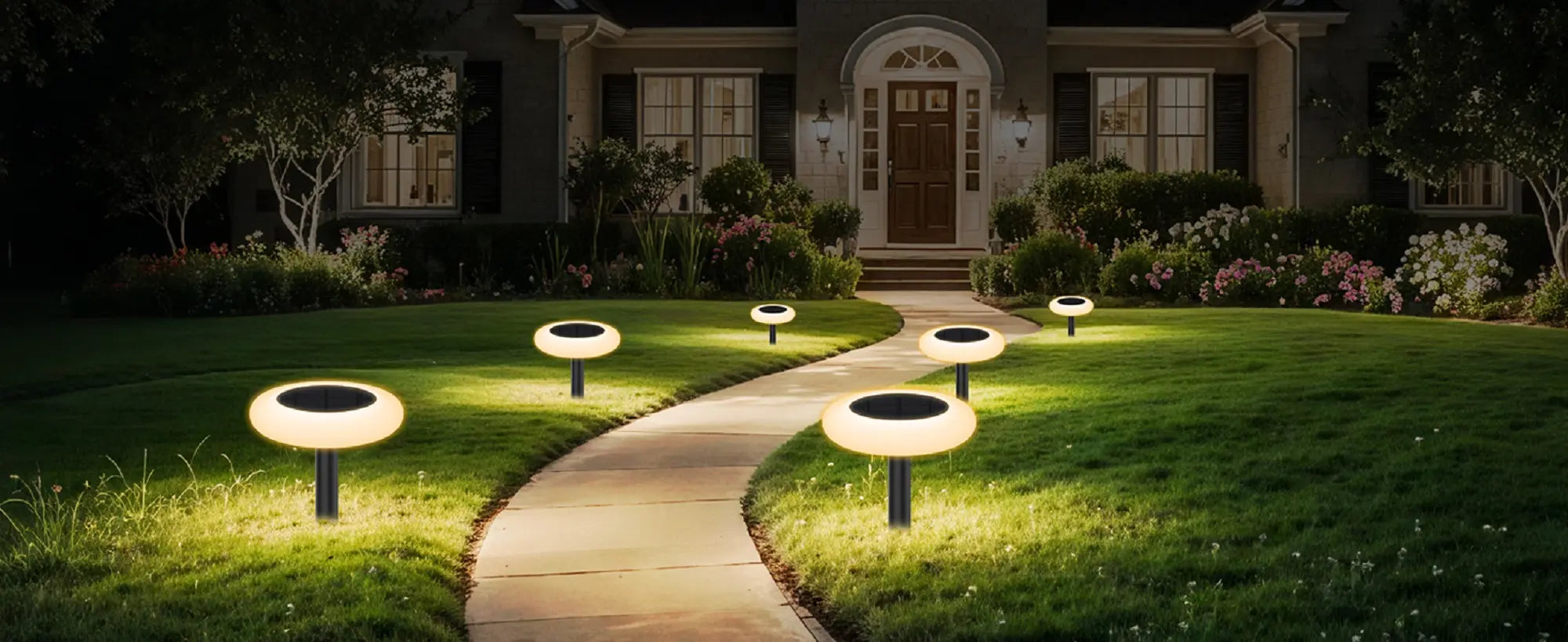
Standalone solar tech works completely differently. A self-contained solar light or fixture doesn't need any of that. No roof drilling, no lease to transfer when you sell, no installer to go bankrupt on you. It's solar with almost none of the liability.
A Low-Friction Way to Get Solar Benefits

If you like the idea of solar power without any of that overhead, the Intelamp Split Solar Security Light (1500LM, 6000mAh, White Light) (check it out here) is built around exactly that idea. It mounts on a wall, fence, or pole with tie straps, so there's zero roof drilling and zero contracts to worry about.
Its split design uses a 9.8ft extension cable, letting you put the light fixture wherever you need security while the monocrystalline panel sits somewhere sunnier. With a 6000mAh battery and 1500LM output, it runs over 12 hours a night or handles 300-plus motion triggers, backed by 270° coverage across three light heads and dual 180° motion sensors. It's also IP65 waterproof, built to handle rain, snow, and heat without the panel losing performance. Worth noting: intelamp holds a Guinness World Record for the largest display of solar-powered LEDs, which speaks to how these components hold up when deployed at scale.
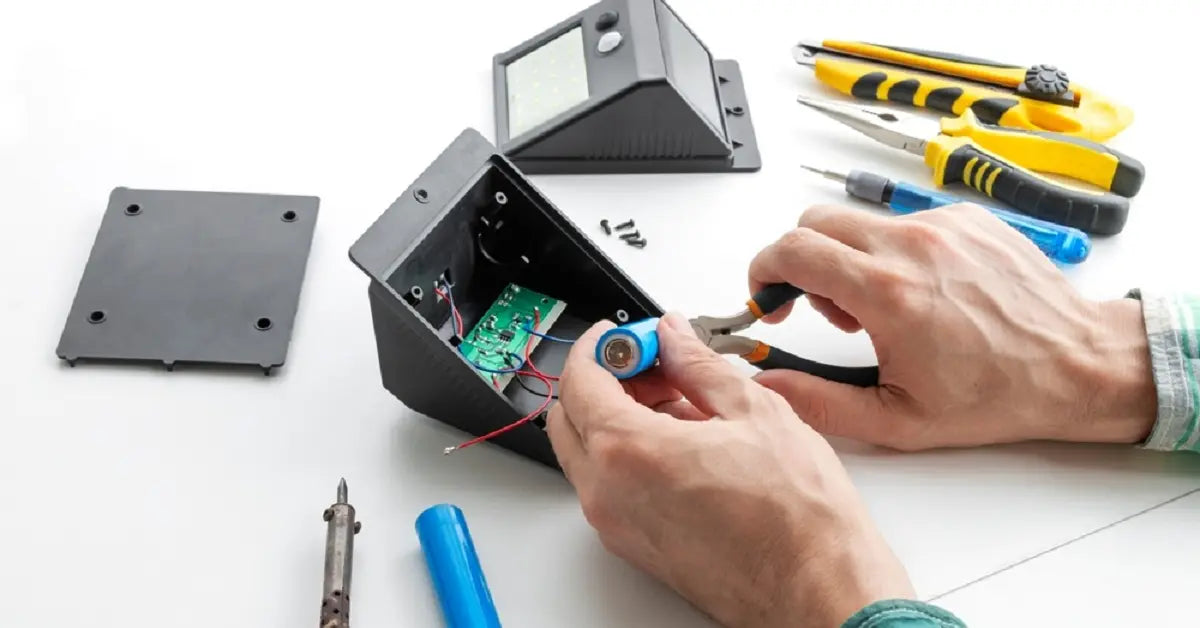
Before deciding whether solar lighting like this fits your situation, it's worth assessing the pros and cons of solar lights and thinking through when solar investments make sense for your specific yard or property. And if you ever do retire an old fixture, there are responsible disposal options that keep it out of a landfill.
Frequently Asked Questions
Why is the federal solar tax credit going away?
Congress passed the "One Big Beautiful Bill" in July 2025, which President Trump signed into law, ending the 30% federal residential solar tax credit for cash and loan purchases after December 31, 2025. Leased systems and power purchase agreements still qualify for a separate business-side credit through 2027, so the incentive picture depends heavily on how a system is financed.
Why is it difficult to sell a house with solar panels?
It's mainly an issue with leased systems. Buyers are often wary of taking on a long-term lease with a company that might be in financial trouble, and a UCC-1 lien on the title can complicate the buyer's mortgage approval. Owned systems, by contrast, tend to be a selling point rather than a hurdle.
Does Tesla or SolarCity's approach to solar still matter today?
Tesla's SolarCity business helped popularize pairing solar panels with battery storage for genuine energy independence, a concept that's now standard across the industry. Most modern residential and standalone systems, including battery-integrated solar lighting, build on that same idea of storing power on-site rather than relying entirely on the grid.