The 20% rule for solar panels is a design guideline that recommends sizing your solar array to produce 20% more energy than your average consumption. In other words, aim for 120% of your typical usage.
This isn't about wasting capacity. It's about building reliability into your system from day one.
Whether you're designing a rooftop array for your home or choosing outdoor solar lighting, this engineering principle separates systems that work "most of the time" from those you can actually trust.
Decoding the 20% Rule: Why You Need More Power Than You Think

Solar panels rarely operate at their peak rated capacity in real-world conditions. The 20% buffer accounts for the messy reality of converting sunlight into usable electricity.
What the 20% Buffer Accounts For
Energy Losses Through the System:
Your solar panels might generate 100% capacity, but not all that power reaches your devices. Inverters typically lose 3-5% during DC to AC conversion.
Wiring and connectors eat another 2-3%. Add it up: you're already down 5-8% before the power even reaches your home.
Environmental Factors:
Dust buildup alone can cut performance by 10% or more. Cloud cover reduces output on overcast days.
Seasonal changes mean fewer daylight hours in winter. Temperature also plays a role—panels actually lose efficiency when they get too hot, dropping about 0.5% per degree Celsius above 25°C.
Usage Spikes:
Running your AC during a Dallas summer heat wave. Cranking the heater when winter hits.
Charging an electric vehicle overnight. These sudden demands can push your consumption above average, and the 20% buffer keeps you covered.
Future Proofing:
Maybe you add a pool pump next year. Or upgrade to a larger fridge.
Or install that home office setup you've been planning. The buffer gives you room to grow without redesigning your entire system.
The Technical Reality: System Derating
Here's the breakdown engineers use for real-world losses:
| Loss Factor | Percentage |
|---|---|
| Soiling (dust/dirt) | ~3% |
| Wiring resistance | ~2% |
| Inverter efficiency | ~4% |
| Temperature coefficient | ~5% |
| Age-related degradation | ~0.5-1%/year |
Over a 25-year lifespan, panels degrade about 10-20% total. Starting with a 20% buffer means your system still meets your needs two decades later.
The Math: How to Calculate Your Solar Buffer
Let me walk you through the calculation. It's simpler than you might think.
Step 1: Audit Your Average Usage
Pull up your last 12 months of utility bills. Find your average monthly kilowatt-hour (kWh) consumption.
Most homes use between 800-1,200 kWh per month.
Step 2: Apply the 1.2 Multiplier
Take your average and multiply by 1.2. This gives you your target production capacity.
Example Calculation:
Average monthly usage: 1,000 kWh
Buffer calculation: 1,000 × 1.2 = 1,200 kWh target
Extra capacity built in: 200 kWh/month safety margin
Step 3: Translate to Hardware
Your installer uses this target along with your location's peak sun hours to determine how many panels you need. In sunny areas, you might need fewer panels to hit that 1,200 kWh target than someone in cloudier climates.
Does the 20% Rule Apply to Solar Lights?

Absolutely. The principle of "system autonomy" applies whether you're powering a home or a security light.
Why Cheap Solar Lights Fail the Buffer Test
Budget solar lights use the smallest possible battery to cover a single night. They have zero buffer for cloudy weather or winter months with shorter days.
When three rainy days hit, they're dead. No backup, no reliability.
The Intelamp Standard: Exceeding the 20% Buffer
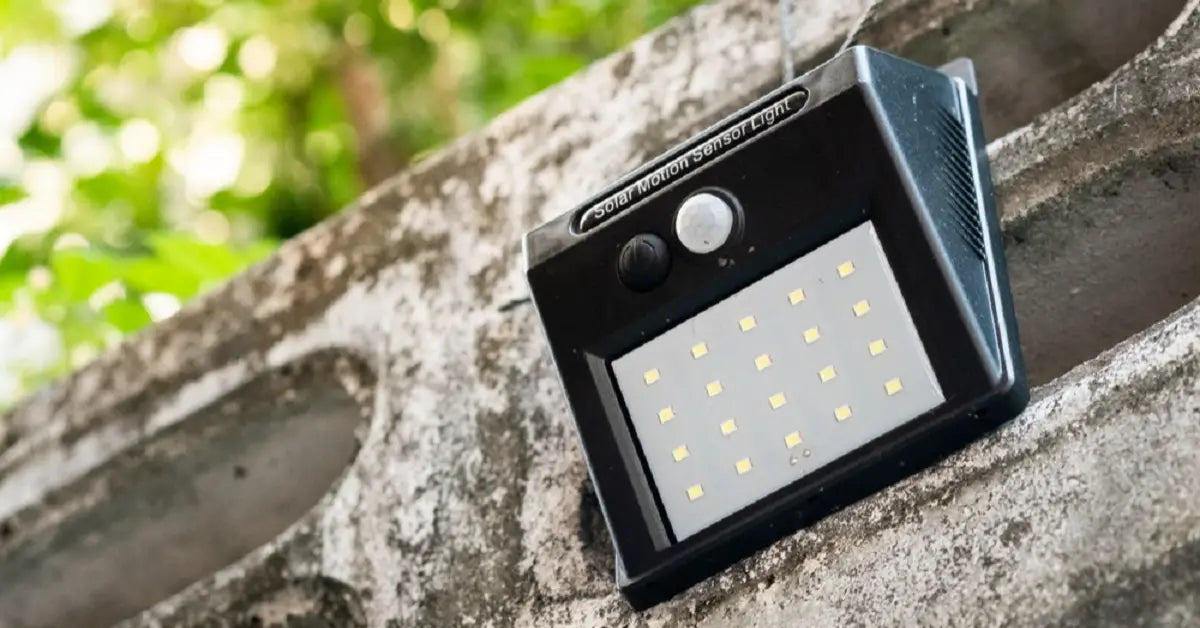
While the 20% rule is a baseline for reliability, we took it further. Our solar flood lights with 6000mAh capacity buffer demonstrate true engineering redundancy.
Here's the engineering difference:
Massive Energy Reservoir:
The 6000mAh battery creates what we call "days of autonomy"—the ability to operate multiple nights without recharging. Most budget lights offer maybe 1.2 nights (barely meeting the 20% rule).
Ours delivers 3+ nights of full-brightness operation. That's not a 20% buffer—that's a 300% safety margin.
Smart Energy Management:
Dual motion sensors ensure the light only uses full power (1200 lumens) when actually needed. This "intelligent load management" extends that buffer even further by reducing unnecessary energy consumption.
Real-World Resilience:
During Seattle's notoriously cloudy winters or extended rainy seasons anywhere, this buffer means your security lighting stays active. You're not left in the dark because of a few overcast days.
Engineering Insight: We calculate "days of autonomy" by dividing battery capacity by nightly consumption. A 6000mAh battery powering a 15W LED for 8 hours nightly provides approximately 3.2 days of autonomy—far exceeding the industry standard of 1-1.5 days.
Optimizing Your Solar Setup (Big or Small)

Maximizing Efficiency
Reliability isn't just about sizing—it's about smart design. Our dual motion sensors preserve that energy buffer by activating full brightness only when movement is detected.
During standby, the lights use minimal power while still providing ambient illumination. This balanced approach maximizes the value of every watt-hour stored.
Orientation and Maintenance
For both rooftop systems and solar floodlights, south-facing orientation (in the Northern Hemisphere) captures maximum sunlight. Regular cleaning removes the dust and grime that gradually erode your 20% buffer.
A dirty panel loses 10% efficiency. A clean one maintains your designed safety margin.
Balanced Sizing Strategy
The goal isn't to massively over-build your system. It's to find the sweet spot where you have enough buffer to handle real-world conditions without wasting money on unnecessary capacity.
For homes, that's the 1.2x multiplier. For high-reliability outdoor lighting, it's choosing products engineered with multi-day autonomy like our engineered solar lighting collection.
FAQs
Why is my electric bill so high if I have solar panels?
Usually because your system is undersized (lacking that 20% buffer). Shading issues or usage spikes that exceed your array's capacity also contribute.
System underperformance from dirty panels can also erode your buffer over time.
How do solar lights know when to turn on?
They use built-in photocells or the solar panel itself to detect voltage drops when sunlight fades. This triggers the light controller to switch from charging mode to operation mode automatically.
Why is it so hard to sell a house with solar panels?
Often due to complex lease agreements that transfer to new owners. Buyers may also be unfamiliar with how to properly value the energy savings.
Cash-purchased systems (owned outright) typically add value without complications.
Is it better to have two 100W solar panels or one 200W?
One 200W panel is more space-efficient and has fewer connection points (reducing wiring losses). However, two 100W panels offer redundancy and more flexible placement on complex roofs.
If one gets shaded, you still have 50% production.
The Bottom Line: Build Reliability Into Your Design
The 20% rule isn't just a calculation—it's a smart, practical strategy for ensuring your solar investment performs when you need it most.
Whether you're powering a four-bedroom home or illuminating your property with solar security lights, that buffer is the difference between a system that works "most of the time" and one that works all the time.
Think of it like the reserve fuel in your car's gas tank. You don't plan to use it every day.
But having it there ensures that an unexpected detour or traffic jam doesn't leave you stranded on the side of the road. In solar terms, that 20% buffer is what keeps your lights on when the weather gets in the way of your power supply.
Further Reading
Do Solar Panels Need Sunlight or Just Light? The Science & The Solution
Is It Working? How to Know If Your Solar Light is Charging
Why Do Solar Lights Stop Working? The Ultimate DIY Troubleshooting and Fix Guide