The Short Answer: Do Solar Lights Harm Plants?
No, solar lights aren't inherently bad for plants, but improper placement can affect photoperiodism and disrupt natural growth cycles.
The good news? Using softer, amber hues and strategic positioning helps your garden thrive while maintaining that beautiful nighttime ambiance.
I've spent years designing landscape lighting that respects both aesthetics and ecology. The key is understanding how plants "see" artificial light—and adjusting accordingly.
The Science: How Artificial Light Affects Plant Biology

Understanding Photoperiodism and Plant Sleep
Think of plants as having an internal clock. Photoperiodism is how they use light duration to trigger flowering, dormancy, and seasonal changes. This isn't just about photosynthesis—it's about survival.
At the heart of this system is phytochrome, a light-sensitive protein. Plants use red light and far-red light ratios to sense whether it's day or night. When artificial lights stay on all night, we're essentially confusing their biological programming.
The circadian rhythm in plants requires genuine darkness. During night hours, plants perform crucial respiratory processes and repair cellular damage. Without proper dark periods, you'll see reduced vigor and compromised health over time.
Not all plants respond the same way. Short-day plants like Poinsettias, Chrysanthemums, and Zygocactus (Christmas cactus) are highly sensitive to nighttime light exposure. These species need long, uninterrupted darkness to bloom properly. Meanwhile, day-neutral plants like Roses, Tomatoes, and many common perennials are far less affected by ambient garden lighting.
Potential Negative Impacts (When Misused)
Let me be clear about what can go wrong. When solar lights are too bright or positioned incorrectly, they disrupt plant cycles—specifically flowering and dormancy patterns. I've seen Chrysanthemums refuse to bloom because pathway lights stayed on all night nearby.
The stress manifests physically too. Continuous light exposure can cause leaf burn on sensitive species or stunted growth in young plants. It's not dramatic, but it's cumulative.
The Ecosystem Effect: Pollinators and Pests
Here's what many gardeners miss. Artificial light affects pollinators in concerning ways. Moths and fireflies become disoriented by nighttime illumination, which leads to reduced fruit production and compromised reproduction cycles. These nocturnal workers are essential to garden health.
The artificial light also increases predation risk. When nocturnal pollinators are drawn to lights, they become easy targets for spiders and other predators. This cascading effect impacts the entire garden ecosystem.
Then there's the insect attraction issue. Lights definitely draw moths and other nocturnal insects, which can potentially impact plants negatively. For a deeper dive into this relationship, check out how light spectrum affects insect attraction in garden environments.
5 Golden Rules for Plant-Safe Lighting

Spectrum Selection: Why Warm/Amber is Better
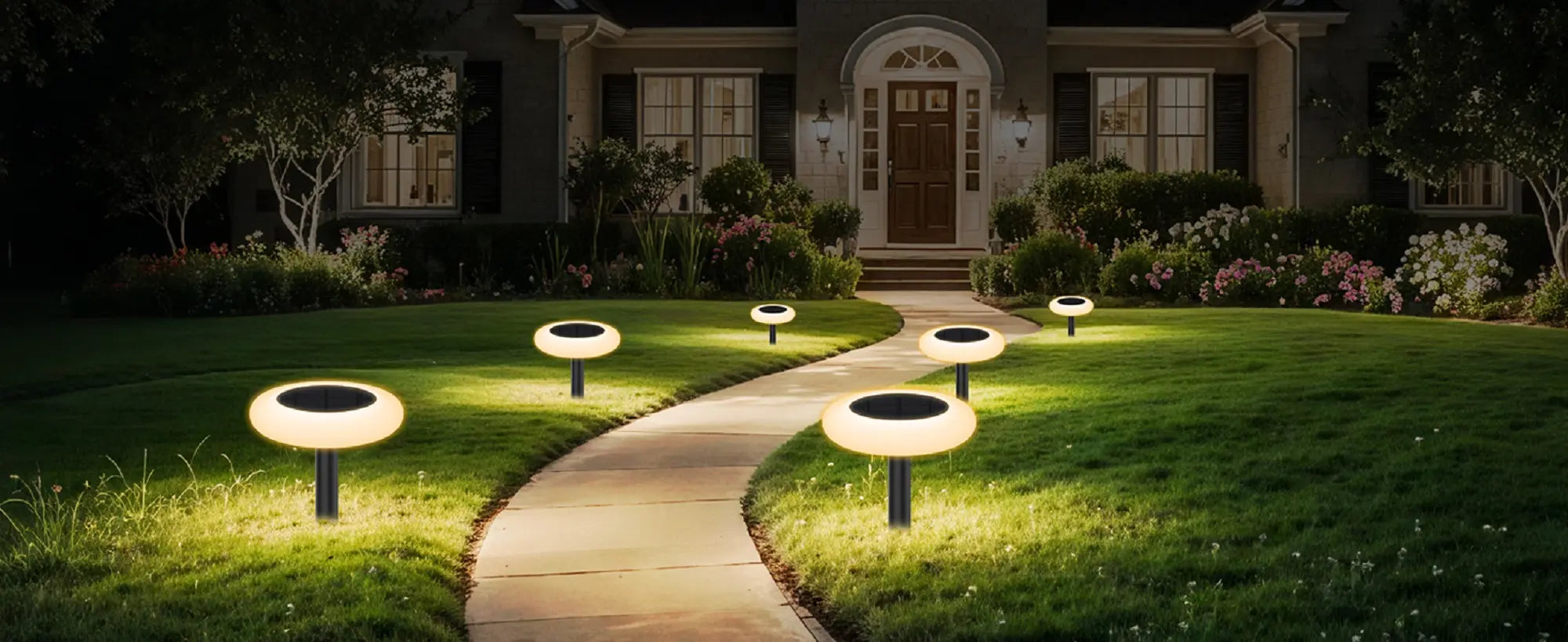
Choose wisely when selecting solar lights. Opt for low-intensity LED solar lights that emit soft, ambient lighting rather than harsh, direct beams. The intensity matters as much as the placement.
Warmer light colors—think amber and red—are significantly less disruptive than bright white or blue-violet light. Blue wavelengths are particularly problematic because they strongly activate phytochrome systems. Warm tones essentially "whisper" to plants instead of "shouting."
Here's a pro tip from my design practice: Green light is theoretically the least disruptive option. Since plants reflect green wavelengths (that's why they look green), green illumination minimally interferes with photosynthesis and photoperiod detection. It's a unique landscape lighting trick that respects plant biology.
The Importance of "Darkness Time" (Timers)
Use timers or motion sensors religiously. Set them to ensure illumination doesn't stay on for extended periods. I recommend a maximum of 6 hours for decorative garden lighting.
Continuous light creates chronic stress. Even low-intensity lights become problematic when they eliminate the dark period entirely. Your plants need that reset time.
General Best Practices
Mind the distance when installing solar stakes. Place them at least 1-2 feet away from plant bases to prevent root damage during installation. Those stakes can sever shallow root systems if you're not careful.
Position strategically by directing lights towards hardscapes—paths, sculptures, garden walls—rather than directly onto foliage. Your walkway needs light; your azaleas don't.
Consider plant needs before installation. If you're growing photoperiod-sensitive species like Poinsettias, you absolutely must use lighting with timer functionality. No exceptions for these sensitive varieties.
The Solution: Smart Solar Lights That Respect Nature

Most solar pathway lights are generally low-intensity by design. They're not intense enough to significantly enhance growth or replace sunlight, which actually makes them safer than high-voltage landscape lighting. This is one advantage of solar technology.
Using Color to Your Advantage (Intelamp's 9 Color Modes)
We've designed our lights with plant health in mind. Intelamp's 9 Color Modes let you select warm white, amber, or red options that are less likely to disrupt plant rhythms and ecological cycles. You get aesthetic flexibility without biological consequences.
The customization matters. Different garden zones need different approaches. Use warmer tones near sensitive plantings and save cooler whites for hardscape-only areas.
Ensuring Plant Rest with Remote Timers
This is the crucial advantage. Intelamp's Remote Control Timer with 6H/12H settings ensures plants get necessary darkness periods, preventing confusion in their natural cycles. Set it once, and your garden gets automatic "lights out" at midnight.
The timer functionality transforms solar lights from potential disruptors into responsible garden accessories. It's the difference between respecting nature and accidentally stressing your plants. Explore our plant-friendly pathway lighting with remote control to see these features in action.
Creating a Harmonious Garden Nightscape

Solar lights, when used thoughtfully, enhance aesthetics without compromising plant vitality. You're not choosing between beauty and biology—you're integrating both with smart design decisions.
The evening garden should feel magical while remaining ecologically sound. With proper spectrum selection, strategic placement, and timer controls, you achieve both goals simultaneously. For comprehensive options, browse our eco-conscious lighting collection designed with these principles in mind.
FAQs
Do solar lights mess with plants?
They typically don't cause problems, but very strong or improperly placed lights can disrupt photoperiodism and seasonal cycles in sensitive species. Short-day plants like Chrysanthemums are most vulnerable to nighttime light interference.
Should you put solar lights in your garden?
Yes, solar lights are generally fine if they're low-intensity and placed correctly—away from plant roots and foliage. The environmental benefits of solar power outweigh the minimal risks when you follow proper installation practices.
What are the cons of solar-powered garden lights?
They may attract insects, can cause root damage if stakes are placed too close to plants, and bright lights can potentially disrupt dormancy or flowering in photoperiod-sensitive species. These issues are avoidable with thoughtful placement and timer use.
Do solar lights attract bugs to plants?
Yes, lights can attract moths and other nocturnal insects, potentially distracting them from pollination duties or exposing them to predators. However, warmer color temperatures attract fewer insects than cool white or blue lights. Read our full analysis on solar lights and garden pests for more details.
You may like
Busting the Myth: Do Solar Lights Charge on Cloudy Days? (The Definitive Guide)
How to Charge Solar Lights Without Sun: 7 Methods + Ultimate Solution